
Part two of my offseason targets series will go over some of the top right-handed defensemen available this summer. Ducks General Manager Pat Verbeek specifically stated he wants a right-shot top four defenseman, likely to pair with one of the Ducks young, talented left-handed defensemen. Due to relative scarcity, right-shot defensemen are highly coveted around the NHL, meaning the Ducks will have a lot of competition in landing any of these options. I dove into 8 different free agent options who could be on Verbeek’s radar this summer. (Note: Players are listed in alphabetical order by last name in each category)
Top Choices:
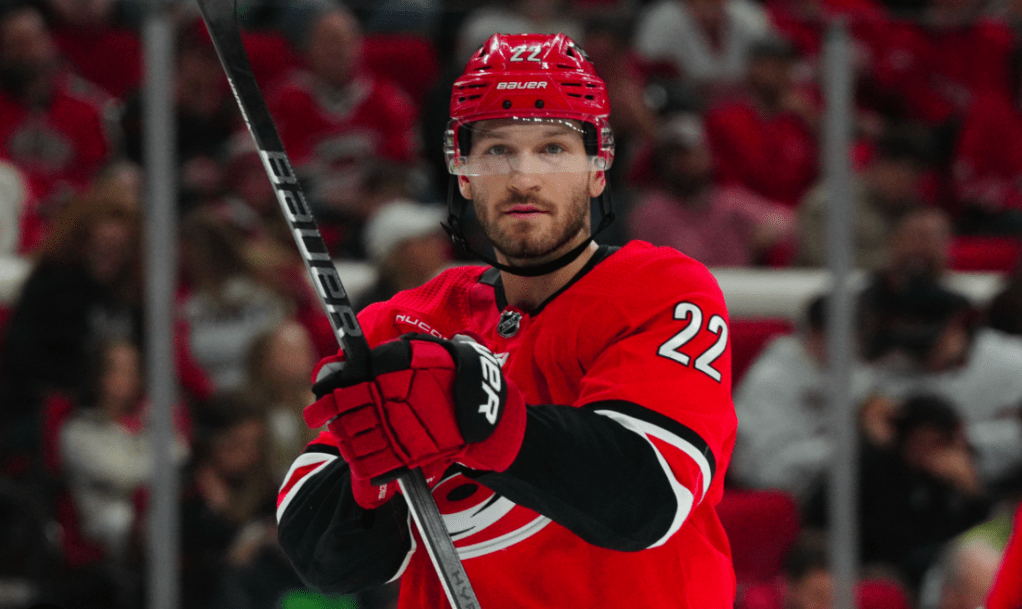
Brett Pesce – 29 years old, 6’3” 206 lbs (UFA)
2023-2024 Regular Season Stats: 70 GP, 3 G, 10 A, 20:17 ATOI
Player Overview:
Brett Pesce is a big, mobile defenseman known for his defensive abilities. Even though Pesce is 6’3”, he does not use his size to punish his opponents. Instead, he uses it to block lanes and cut off angles of opposing attackers. He is a good skater, but he opts to use that skill for defense rather than offense. Pesce plays a lot of minutes on the penalty kill and he is not afraid to block shots. His combination of size, smarts, and skating make him a prototypical defensive defenseman that could help every team in the league.
Player Analysis:
Pesce was a third-round pick by the Carolina Hurricanes in 2013. He made his debut for Carolina in the 2015-16 season and spent nearly the whole year in the NHL. Since then, Pesce has been a consistent minute-munching defenseman playing mostly on Carolina’s second pair behind Jaccob Slavin. He will reliably give you 15-30 points each year while playing over 20 minutes per game against difficult competition. Almost every team in the NHL could use a player like Pesce.
One of Pesce’s big selling points is his utility as a penalty killer. Carolina had the number one penalty kill in the entire league, and Pesce played a major role in that ranking. On both the penalty kill and at even strength, Pesce does an excellent job killing plays with his reach and his brain. He plays a relatively simple game, not taking many risks with the puck or pushing the pace, but he plays his role very well.
Pesce’s on-ice impacts are impressive, but it’s hard not to wonder if that is a product of Pesce or the system that he plays. The Hurricanes are known to be a team that controls the puck a lot, so their analytics without context will look incredible. For example, the Hurricanes controlled 58% of shot attempts with Pesce on the ice at even strength. That sounds great until you realize that was the worst number among the regular Hurricanes defensemen. The rest of his advanced statistics also rank in the middle or bottom of Carolina’s defensemen. Pesce has only ever played for the Hurricanes, so I think it is fair to question how those numbers would translate in a different system on a different team.
The Fit:
Pesce would be a rock on the Ducks’ blue line. He could easily play next to Olen Zellweger, Pavel Mintyukov, Jackson LaCombe, or even Cam Fowler. Pesce is a defensive asset that could help suppress chances against, something the Ducks desperately need. Pesce’s simple game makes him a predictable partner to play with, which is excellent for young defensemen still growing and learning the game. He will also help the penalty kill, which is another area of concern for the Ducks. Pesce would take difficult minutes away from the rest of the defense, giving all of them a better chance to shine.
My Offer: 5 years, $6M per year
Pesce is arguably the hottest name on the market when it comes to right-shot defensemen. Pesce has earned quite a reputation in his time with the Hurricanes, who have been a defensive juggernaut in recent seasons. Whenever a player is available from a team like that, other teams circle around like vultures trying to steal him away. I personally believe he will receive a bigger contract than I have offered, but this is what I would pay for Pesce. He saw a bit of decline last season, and he missed some time with injury. That injury could just be a one-off event, but he has a lot of miles on him for his age, and giving him 7, or even 6 years is quite a risk. There is also the question of how Pesce would perform outside of Carolina. Maybe he is just a perfect fit for their structure, and he would struggle in a different environment. I can’t say for sure, but it is a definite risk. This is not to say that I wouldn’t want Pesce on the Ducks as I do think he would improve the roster. I just believe that his reputation has outgrown his actual on-ice value, and I do not think I would be comfortable bidding as high as other teams are likely to go.

Matt Roy – 29 years old, 6’1” 200 lbs (UFA)
2023-2024 Regular Season Stats: 81 GP, 5 G, 25 A, 20:53 ATOI
Player Overview:
Matt Roy is an average-sized all-around defenseman who has played a critical role for the Los Angeles Kings in recent seasons. Roy’s smarts and skating ability make him a reliable defenseman capable of playing big minutes at even strength and on the penalty kill. Roy blocks a lot of shots and plays a surprisingly physical game, especially for his size. He also has some underrated offensive ability as a puck-mover, which is supplemented by his smooth skating. Roy is not a flashy player, but he has grown into an effective defenseman who will be a popular target for many teams this offseason.
Player Analysis:
Roy was a 7th round draft pick of the Kings in 2015, and he has worked his way through the organization into an important role on their second pair in recent seasons. After 3 years at Michigan Tech, Roy earned an entry level contract. 2019-20 was Roy’s first full NHL season, but he took it to another level in 2021-22 when he averaged nearly 21 minutes per game for a playoff team. Since then, he has solidified his importance to a good Kings’ team, and he will be in high demand this offseason.
The Kings controlled play while Roy was on the ice this past season. Roy ranked fifth out of 6 regular Kings’ defensemen in even strength shot share at 53%. Obviously, that ranking doesn’t sound good, but it sounds better when you add more context to it. Roy ranked first out of 6 in expected goal share at 55% and at high danger chance share at 56%. This implies that Roy sacrifices some quantity of chances allowed to reduce the quality of chances allowed. And in terms of rates, the Kings allowed 8.84 high danger chances per 60 minutes with Roy on the ice, easily the best on the team. And to get that expected goals share so high, he does also help create offense. His 3.04 expected goals for per 60 minutes number ranks second on the team behind Brandt Clarke, who only played 16 games. It is a good sign for Roy that his numbers are mostly superior to his teammates, especially given the difficult minutes he plays.
Roy would also improve the Ducks’ penalty kill. The Kings’ penalty kill had the second-best penalty kill rate in the league last regular season, and Roy played the most minutes on that unit. Roy ranked second on the Kings in expected goals against per 60 minutes on the penalty kill at 7.94. For context, Cam Fowler skated the most minutes on the penalty kill for the Ducks, and his expected goals against per 60 minutes was at 10.62, approximately 33% worse than Roy’s number. There are other factors at play here like quality of teammates and the system that both teams play, but that is a huge gap. Roy would no doubt improve the Ducks in all situations.
The Fit:
Roy would fit comfortably next to any of the Ducks’ left-handed defensemen. He is responsible enough defensively to let his partner skate around and create offense, and he is skilled enough offensively to contribute and keep plays alive in the offensive zone. Roy is a great example of a legitimate all-around, two-way defenseman who can do a little bit of everything that teams need.
Roy’s reliability would be a huge addition to the Ducks’ young core. He is a guy that can be put on the ice with the lead, at a deficit, on the penalty kill, and even in overtime. His presence would take pressure off the rest of the defensemen. Last year, it felt like Fowler and Gudas were burdened with the most difficult matchups, and Roy would allow the Ducks to spread out the minutes more evenly. I can’t say for sure which left-handed partner would fit with Roy best, but he is versatile enough where he can be mixed and matched until a fit is found.
My Offer: 6 years, $6M per year
Roy’s contract may come as a surprise to some hockey fans out there. He isn’t a huge name, but the combination of his play, his age, and the scarcity of his position will make him a hot commodity. From my perspective, Roy represents the Ducks’ best chance for signing an impact right-shot defenseman in free agency. Given Anaheim’s recent poor seasons and California’s high state income tax, the Ducks aren’t exactly the most attractive destination. Another layer to this issue is that most hockey players come from colder climates and are very unfamiliar with life in Southern California. It is easy to see how this can cause some trepidation in athletes who are deciding where to spend the next 5 to 7 years of their lives. Do they want to stick with what they are used to, or do they want to take a leap of faith and hope Southern California is right for them? Lucky for us, Roy has been in California with the Kings since 2017, so he is familiar with the area. I have no idea if Roy, who is a Michigan native, would prefer staying out here or not, but there is a scenario where that history does play a part in his decision. Some people might not be comfortable with the 6x$6M offer I would make, but I think that is what it would take to compete for Roy’s services.
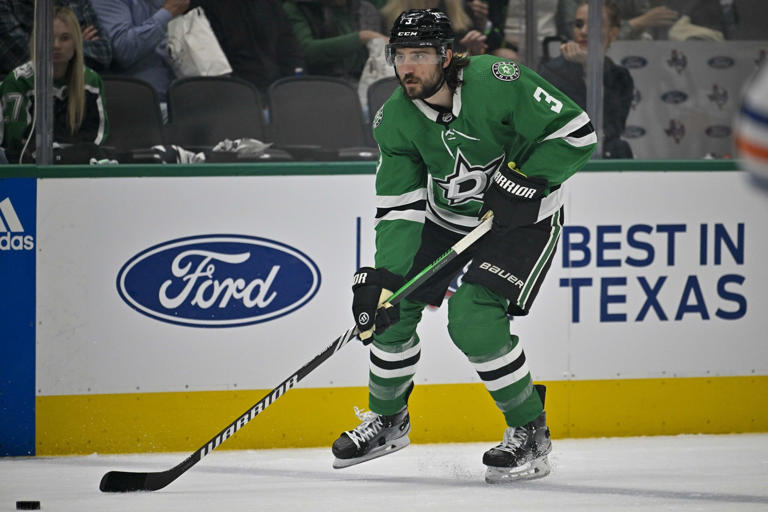
Chris Tanev – 34 years old, 6’2” 197 lbs (UFA)
2023-2024 Regular Season Stats: 75 GP, 2 G, 17 A, 19:41 ATOI
Player Overview:
Chris Tanev is a big, rugged defenseman who is known as one of the best defensive defensemen in the league. Tanev’s size and reach let him protect the middle of the ice, limiting dangerous chances against. He is also not afraid to put his body on the line as he is typically one of the leading shot blockers every year. That selfless style of play does make him susceptible to injury, but if he’s healthy, he’s a player you love to have in the lineup setting an example for his teammates. Tanev has earned his reputation as a shutdown defenseman, and he would fit well next to an offensively inclined partner.
Player Analysis:
Tanev signed with the Vancouver Canucks in 2010 after going undrafted. Earning that contract is a microcosm of Tanev’s entire career. He is not a particularly skilled player, but nobody can question his work ethic or his commitment to the game. It’s quite difficult to gain such a positive reputation as a defenseman who doesn’t produce much offense, but over time, Tanev has built up an impressive defensive resume. He has been an important cog for the Canucks, Flames, and Stars in his career as an elite shutdown defenseman, and he will garner a lot of interest.
Tanev’s game is all about preventing offense any way he can. Expected goals against per 60 minutes (xGA/60) is a rate statistic used to measure the quality and quantity of offense generated against players while they are on the ice. You want that number to be as low as possible, as it indicates opposing teams have trouble create chances. Tanev regularly fares well in this statistic. With the Flames this past season, Tanev averaged 2.35 xGA/60. I know that number is hard to grasp without context, but it makes more sense when you compare it to other players. Among Calgary’s regular defensemen who played more than 40 games, Tanev ranked first in xGA/60, with Noah Hanifin coming in second at 2.54. With the Stars, who are a well-structured team, Tanev’s impact was even more noticeable. Even though he only played 19 regular season games with Dallas, Tanev’s xGA/60 was an astounding 1.78. Now, Dallas is a better defensive team than Calgary, so Dallas’ average xGA/60 is much lower than Calgary’s, but Tanev still led the Stars in this department. Miro Heiskanen was second at 2.06. The bottom line is that, regardless of environment and team system, Tanev outperforms his teammates when it comes to preventing offense.
Ok, so opposing teams don’t generate much offense with Tanev on the ice, but how does he do it? Tanev combines his size, smarts, and pure willpower to limit scoring chances against. His large frame makes him difficult to push around, and it gives him a long reach to interfere with shots and passing lanes. He also has the brain to anticipate plays and understand how to get the puck out of his own zone and up the ice. He is underrated when it comes to handling and distributing the puck to his teammates. Lastly, Tanev is regularly among the league leaders in blocked shots, demonstrating his selfless character and his willingness to do whatever it takes to prevent offense. Tanev is a warrior defenseman who makes his teams better defensively whenever he’s on the ice.
The Fit:
Tanev would bring a stable presence to the Ducks blueline. He would allow someone like Olen Zellweger to wheel around the ice and do what he does best without having to worry about his partner playing responsibly. Tanev and Gudas would form an impressive one-two punch on the right side of the blue line. While neither of them is considered elite players, they both eat difficult minutes and minimize chances against.
Tanev would also help improve the Ducks’ penalty kill. Special teams killed the Ducks last season, and, as we have seen with Edmonton in the playoffs, a good penalty kill can take you a long way. Not only does it limit goals against, but it can reverse the momentum in your favor. On the penalty kill, you are often at the mercy of talented players on the other side. They are going to be looking for cross-ice passes and one-timers that give them the best chance to score. Tanev’s brain and his reach will help disrupt these dangerous passes, and his willingness to get in front of shots will nullify scoring chances. Tanev’s strengths are a match for what the Ducks need this offseason.
My Offer: 3 years, $5M per year
Tanev is likely to draw a lot of attention from teams around the league. My intuition is that he prefers to play for a contending team, which would reduce the chances of the Ducks signing him. The Ducks would have to significantly outbid Tanev’s other suitors to be competitive. My offer of 3 years at $5M per season probably wouldn’t be enough to sway him, but going beyond those numbers would be risky, especially given his age, playstyle, injury history. I could be convinced to offer him a higher salary, but anything more than 3 years would be too rich for my blood. I don’t think it’s likely that Tanev chooses the Ducks, but Anaheim should try to make it happen if his contract demands are reasonable.
Secondary Options:
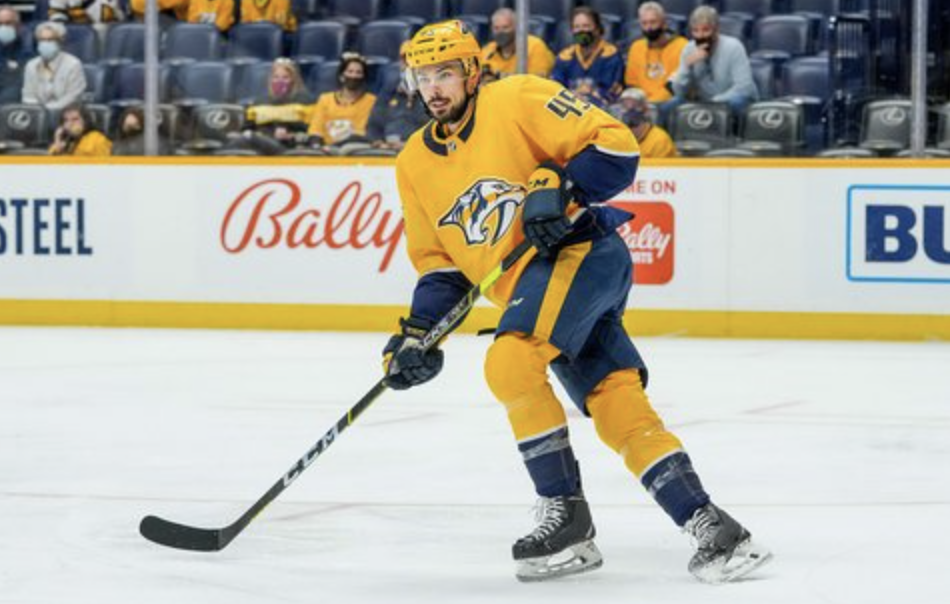
Alexandre Carrier – 28 years old, 5’11” 175 lbs (UFA)
2023-2024 Regular Season Stats: 73 GP, 4 G, 16 A, 18:48 ATOI
Alexandre Carrier is a smaller defenseman who has worked his way up Nashville’s depth chart. Carrier was drafted in 2015, but he didn’t make the Predators full time until 2021. Since he solidified himself on the blue line, he’s continuously earned more responsibility, playing in all situations. As far as unrestricted free agents go, Carrier is on the younger side, meaning he is likely to get term.
Carrier is a “jack of all trades, master of none” type of defenseman. He has the skating ability and offensive instincts to help drive offense and keep plays alive, but he hasn’t been able to translate that into impressive point totals. He is reliable defensively, but he doesn’t have the size or strength to be a real shutdown defender. Carrier played the most with Jeremy Lauzon, who has been known to be a bit of a liability on the ice. While their numbers together weren’t terrible, Carrier’s on-ice impacts noticeably improved away from Lauzon. Carrier is a solid defenseman who can play all kinds of minutes and he can play with just about any type of defenseman.
Carrier would be an adequate fit with Anaheim, but I don’t believe he should be a top target. Anaheim’s left-handed defensemen aren’t particularly big to begin with, so if any of them were to partner with Carrier, that pair would likely need to be sheltered. He can be trusted to play minutes on the penalty kill, which is a need on the Ducks. Carrier could fit on the second or third pair in Anaheim, but there are better options out there.
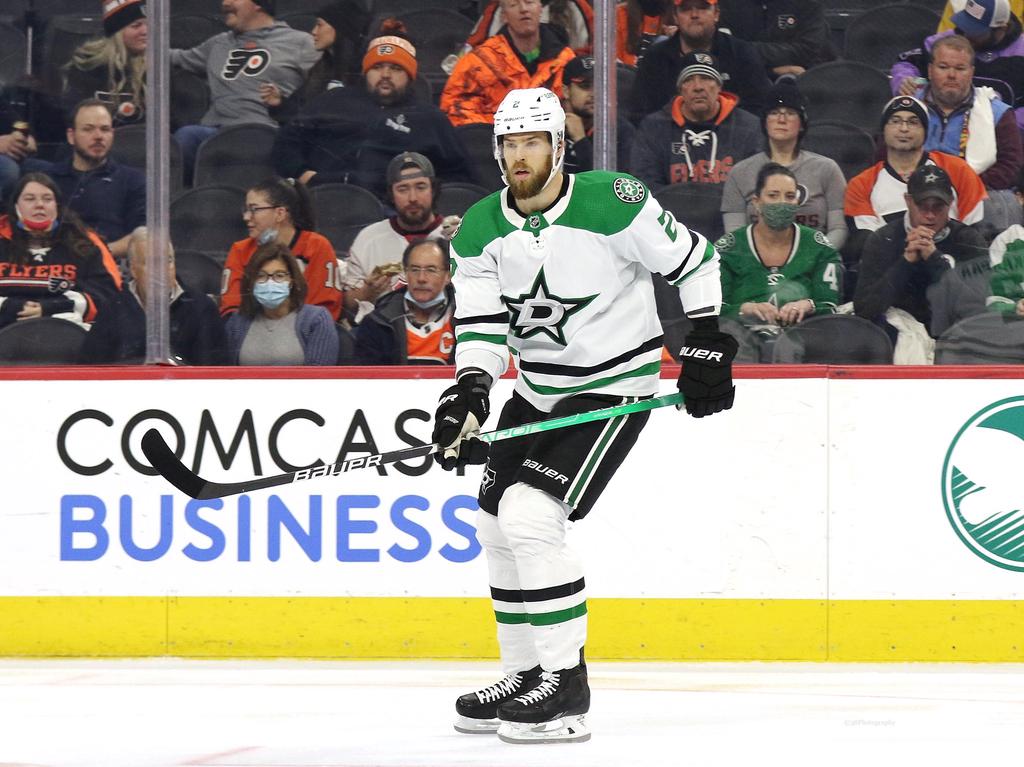
Jani Hakanpää – 32 years old, 6’5” 218 lbs (UFA)
2023-2024 Regular Season Stats: 64 GP, 2 G, 12 A, 18:38 ATOI
Jani Hakanpää is a big, stay-at-home defenseman who specializes in keeping forwards to the perimeter in the defensive zone. Hakanpää played his first NHL game with Anaheim in the 2019-20 season. The Ducks eventually traded him to Carolina, and then he signed with Dallas the following offseason. Hakanpää missed the end of the 2023-24 season with an injury, but he will have plenty of suitors this summer.
Hakanpää found a role with the Stars as a shutdown defenseman. Not only does his size give him a long reach, but he’s also strong enough on his skates to easily pin forwards against the boards and halt their momentum. He can keep forwards close to the boards, resulting in a lot of low percentage shots. Hakanpää’s defensive ability combined with his lack of offense means that there are not many goals scored with him on the ice. He can thrive on a shutdown pairing, or alongside a high-end puck-moving defenseman.
Hakanpää’s structured, shutdown style would be a welcomed addition to a young Ducks defense. He would provide a stable presence that can be relied upon when the Ducks are trying to shut the door. He could also allow one Anaheim’s more offensively inclined defensemen to roam and create offense. I think Hakanpää is a viable option that would improve the roster, and he will not cost nearly as much as any of the top choices.
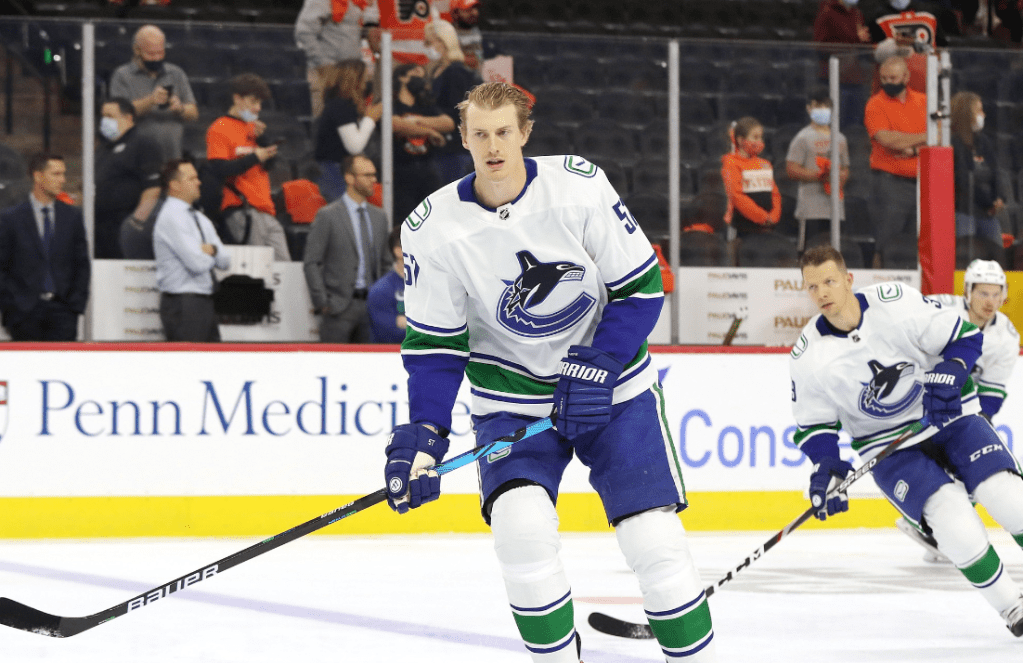
Tyler Myers – 31 years old, 6’8” 229 lbs (UFA)
2023-2024 Regular Season Stats: 77 GP, 5 G, 24 A, 18:56 ATOI
Tyler Myers is a huge defenseman who plays a lot on the penalty kill. Myers is coming off a big contract with the Vancouver Canucks where he received mixed reviews on his play. The consensus is that Myers was overpaid for the duration of that contract, leading to quite a bit of criticism for his on-ice play. By most accounts, his play improved this past season along with the rest of the Canucks, however, that play still didn’t justify his high salary. His next contract will come back down to a reasonable number, but his size will still make him an attractive option in the market.
Myers is more known for his reach and his penalty killing, but he does have some offensive ability to go with it. Myers is (somewhat) affectionately nicknamed “Chaos Giraffe” online, and it is honestly a pretty good description of his play. He is so tall that he looks awkward playing the game of hockey. However, that height gives him an incredible reach, allowing him to block shots and passing lanes that most players couldn’t cover. Myers does have his moments of looking lost and making questionable plays with the puck, but that is something you will just have to live with. Myers would ideally play on a third pair with PK time, but he could pass on the second pair on some teams if he is given a superior defense partner.
Myers does fit the playstyle that Verbeek is likely targeting, but I think the Ducks should aim higher than the 6’8” defenseman. He admittedly could be an interesting partner for Olen Zellweger on the third pairing, if for nothing other than the ridiculous difference in height between the two. I do not mind Myers as a backup option if the Ducks strike out on the big fish, but only on a short-term deal that doesn’t interfere with Anaheim re-signing any of its young core.
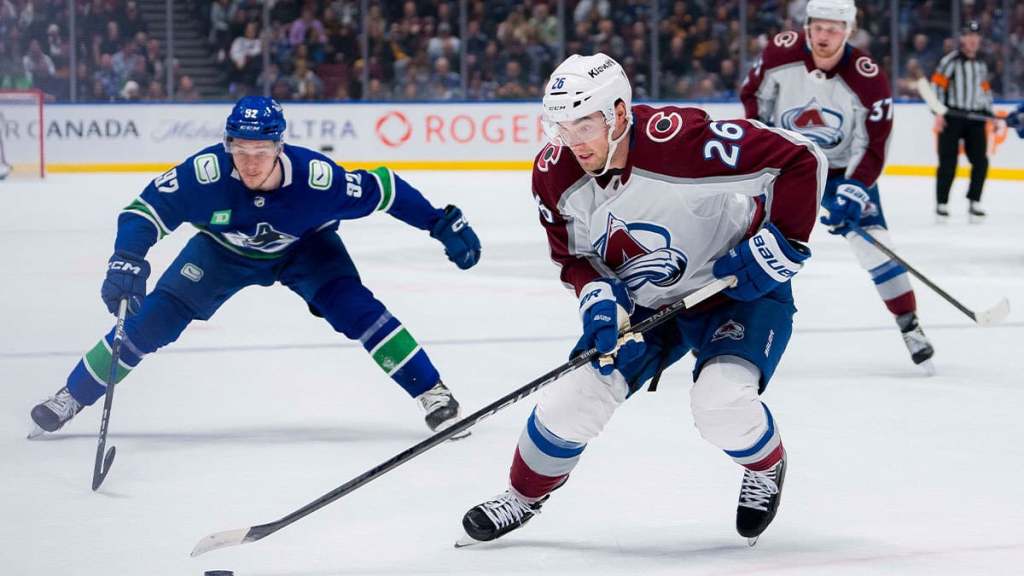
Sean Walker – 29 years old, 5’11” 196 lbs (UFA)
2023-2024 Regular Season Stats: 81 GP, 10 G, 19 A, 19:13 ATOI
Sean Walker is a slightly undersized, smooth skating defenseman who had a resurgence this past season. Walker suffered a significant knee injury in 2021, missing all but 6 games in the 2021-22 season with Los Angeles. He returned to play 70 games in 2022-23 but was not nearly as effective as he was prior to his injury, even getting healthy scratched in the playoffs. To make room for some younger players, the Kings decided to dump Walker and his salary to Philadelphia. Walker responded by having his best season in the NHL, rebuilding his value to the point that Colorado sent their first-round pick (along with a cap dump) to Philly for him. Walker performed well for the Avalanche at the end of the regular season, but he was largely ineffective in 11 playoff games. Walker’s value has rebounded from where it was 12 months ago, but his playoff run might have cost him some extra money.
Walker’s skating ability is his standout trait that makes him an effective defenseman. His speed and mobility make up for his lack of size. He is not afraid to join the rush and skate around the offensive zone and his skating allows him to get back and defend. Even though Walker leans toward offense, he has not historically been a big point producer. Walker also played the penalty kill quite a bit in Philadelphia, though his role on special teams did diminish after joining Colorado. Walker’s on-ice impacts weren’t bad, but they were among the worst on the Avalanche. A possible explanation is Walker’s most common defense partner was Jack Johnson, a notoriously poor defenseman in terms of possessing the puck and generating offense. Walker’s numbers were noticeably better when playing with pretty much any other defenseman. Walker has a useful skillset that would be best utilized on a second or third pair next to a reliable left-handed defenseman.
Walker is a valuable player, but I do not believe he is the type of defenseman the Ducks should be targeting. I could see Walker working next to Pavel Mintyukov, but I would prefer a bigger, more defensive-minded player on his pair. Of all the available right-shot defensemen available this offseason, Walker is probably the second-best pure skater after Brandon Montour, so Walker will likely be getting a lot of attention in the market. His price tag will almost certainly be out of my comfort zone, so I would personally pass on Walker.
Honorable Mentions:
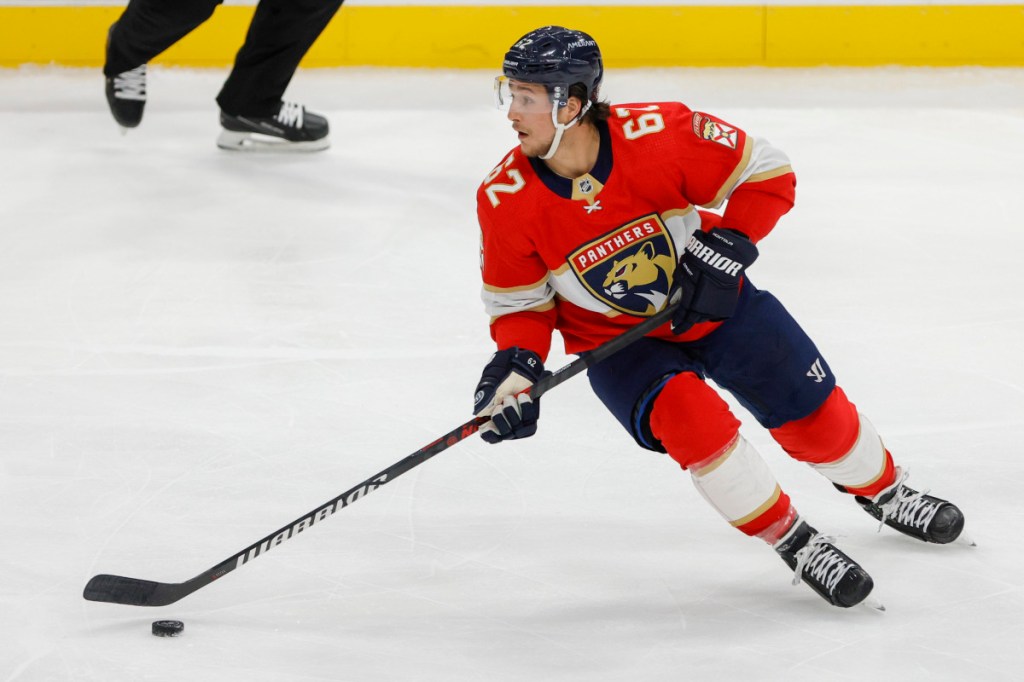
Brandon Montour – 30 years old, 6’0” 190 lbs (UFA)
2023-2024 Regular Season Stats: 66 GP, 8 G, 25 A, 23:26 ATOI
Brandon Montour is an average-sized offensive defenseman known for his skating and hard shot. Montour was drafted by Anaheim in 2014 and spent parts of three seasons with the Ducks. He has always had offensive talent, but he didn’t fully break out until the 2022-23 season where he had 73 points in 80 games for the Florida Panthers. This past season, his numbers came back down to earth with 33 points in 66 games after missing the first part of the season while recovering from an injury. He is likely the top right-handed defenseman on the market, setting him up for a huge payday.
Montour’s athletic profile makes him a multi-dimensional offensive threat from the blue line. He is one of the best skaters in the league, giving him impressive four-way mobility along with the speed to beat opponents up and down the ice. Montour is also strong and sturdy for his size, allowing him to win puck battles, shoot the puck hard, and play a surprisingly physical game. Another trait that stands out for Montour is his confidence, which can be a double-edged sword when it comes to his game. He is an aggressive attacker, forcing defenders to always be aware of his position, but that also leaves him vulnerable in getting caught up the ice. Fortunately, he has the speed to recover when he does make a mistake, but it makes him a risky player to rely on in certain situations.
While the Ducks need a top four right-shot defenseman, I don’t think Montour is the type of player they need. Anaheim’s young left-handed defenseman all have offensive abilities of their own, and they could use a reliable defenseman to act as support and allow them to shine. Montour would likely do the opposite. He would push the pace himself, forcing his partner to cover for him while he makes plays. Montour is a bit of a wild stallion on the ice, making him rather unpredictable to play with, especially for a young player still learning the game. am also concerned about Montour’s longevity. His value comes from his athleticism, and if you are signing him to a long-term contract at age 30, I worry about his game falling off as his body starts to slow down. Montour’s outlier 73-point season also will inflate his contract, likely making him more expensive than he’s worth. I think Montour is an exciting player to watch, but I do not think he is the right fit for this Ducks team.
Ranking the Options:
The Ducks need an upgrade on the right side of their defense. All the players listed above would represent an improvement, but some would be better targets than other based on playstyle, age, contract demands, and health. Here is my personal ranking of the primary and secondary options mentioned previously:
- Matt Roy
- All-around player
- Reliable
- Great penalty kill impacts
- Familiar with Southern California
- Chris Tanev
- Selfless warrior
- Elite shot/chance suppressor
- Passable puck-moving ability
- Injury history
- Brett Pesce
- Great defensively
- Used to structured system
- Lots of miles
- Potentially inflated reputation
- Jani Hakanpää
- Big and strong
- Can manhandle forwards
- Minimal offensive upside
- Tyler Myers
- Tall with long reach
- Prone to mistakes
- Questionable at handling the puck
- Alexandre Carrier
- Good skater
- Reliable penalty killer
- Small
- Sean Walker
- Great skater
- Aggressive offensively
- Risky style of play
- Small

 All Mighty Hockey Talk
Leave a reply to andraellingson Cancel reply